Planning a Residential Exterior Remodel in Fredericksburg, TX
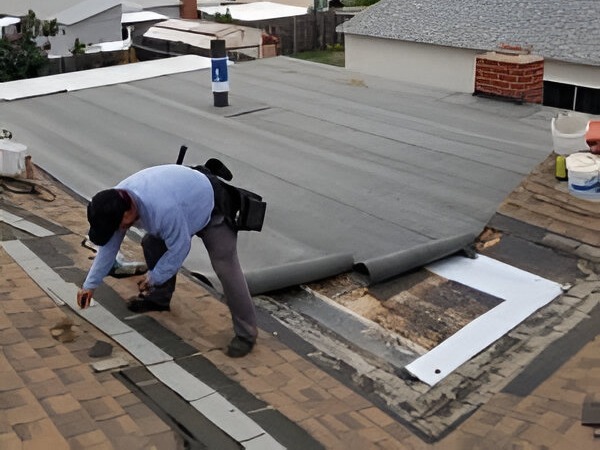
Researching a residential exterior remodel Fredericksburg TX likely means picturing a cohesive transformation that includes a new roof, refreshed siding, and high-performance windows. Homeowners who prefer a single trusted contractor to manage design, permits, construction, and insurance paperwork benefit from careful planning up front. That preparation is the difference between a stressful project and a beautiful, long-lasting result for homes in the Texas Hill Country. Why Fredericksburg requires a local-first approach Fredericksburg sits in the heart of the Texas Hill Country where hot summers, strong sun, occasional hail, and seasonal storms influence material performance and maintenance needs. Local design preferences favor natural materials, clean lines, and colors that blend with limestone and oak landscapes. Properties in historic or neighborhood conservation areas may face additional design guidelines and permit restrictions. Choosing a locally experienced contractor helps ensure material choices and construction methods respect local aesthetics and building practices, reducing surprises during permitting and construction. Key goals for a high-end exterior remodel Before construction begins, define priorities that align with both lifestyle and budget. Common objectives include elevated curb appeal that complements the home and landscape, long-term durability and resilience to hail, wind, heat, and UV exposure, improved energy efficiency through insulated roofs, high-performance windows, and a tight building envelope, low-maintenance materials that age gracefully, and a single point of contact who coordinates trades, schedules, and paperwork, including insurance claims. Step-by-step planning checklist Bold planning prevents delays and cost overruns. Begin with an initial consultation and site assessment where the contractor walks the property, documents roof and wall conditions, photographs issues like leaks or rotted fascia, and measures surfaces. Next, focus on design and material selection by choosing roofing, siding, and window systems that suit weather exposure and the home’s architectural style, and by coordinating color palettes and trim details for a unified look. Address budgeting and financing early by obtaining detailed bids that separate labor, materials, and allowances, and by including a contingency for unforeseen repairs exposed during demolition. Verify permits and approvals with Fredericksburg and Gillespie County officials, and consult historic district reviewers if applicable. Plan scheduling and logistics around material lead times, especially for specialty windows and custom siding, and set a site management plan to protect landscaping and maintain access. During construction and quality assurance, sequence work to protect the home from weather, install structural and roof components first, follow with windows and siding, and complete the project with trim, gutters, and final sealants. Finish with a thorough punch list walk and deliver warranties and maintenance guidance. Selecting materials for the Texas Hill Country Material choices should respond to climate and local character. For roofing, metal roofing is popular in Fredericksburg for durability, longevity, and reflectivity, while high-quality architectural asphalt shingles with upgraded underlayment can perform well when installed to local wind and hail resistance standards. For siding, fiber cement resists rot and termites and can be finished in many textures and colors; engineered wood provides a high-end appearance with lower maintenance; natural cedar offers authentic warmth but requires routine upkeep. For windows, Energy Star rated products with Low-E coatings, insulated frames, and argon-filled gaps improve comfort and reduce HVAC loads. For specifics on energy-efficient window options, visit Energy Star at https://www.energystar.gov. Insurance, storm claims, and peace of mind Fredericksburg homeowners affected by hail or storm damage often prefer a contractor who can manage the insurance claim process. A contractor experienced with insurance documentation can photograph damage, prepare detailed repair estimates, and communicate directly with adjusters to reduce delays and confusion. For guidance on insurance rules and storm damage considerations in Texas, visit the Texas Department of Insurance at https://www.tdi.texas.gov. Working with a single contractor for a complete exterior makeover Hiring one experienced contractor for roofing, siding, and window work brings clear advantages. Coordinated sequencing protects the home during construction and maintains consistent quality standards across trades. Simplified communication comes from having a single point of accountability, which also streamlines permitting and insurance claim management. A unified warranty for product and workmanship provides added reassurance and simplifies future maintenance planning. Questions to ask during contractor selection Ask whether the contractor has local references and project photos from Fredericksburg and the Texas Hill Country, whether permits and HOA or historic district approvals will be handled, and whether product and workmanship warranties are offered. Confirm how landscaping and property will be protected during construction and whether the contractor can manage insurance claims and work directly with adjusters. Timelines and what to expect Timelines vary by scope and product availability. Typical phases include design and permitting, which often take two to six weeks; material procurement, which can range from two to eight weeks depending on custom products; and construction, which for most homes runs two to six weeks but may be longer for complex or larger projects. A reliable contractor will provide a milestone schedule and regular progress updates to keep the project on track. Begin with a site visit and a prioritized wishlist that outlines the most important outcomes for curb appeal, durability, and efficiency. Request a detailed proposal that includes material specifications, warranty information, and a preliminary construction schedule. All Weather Roofing & Remodeling serves properties across the Texas Hill Country and can guide homeowners from concept through final walkthrough with insurance claim support. Learn more about local work in Kerrville at /kerrville/. Contact All Weather Roofing & Remodeling to schedule a consultation and bring a Fredericksburg exterior vision to life.
Does Insurance Cover Storm Damaged Siding Repair in the Hill Country?
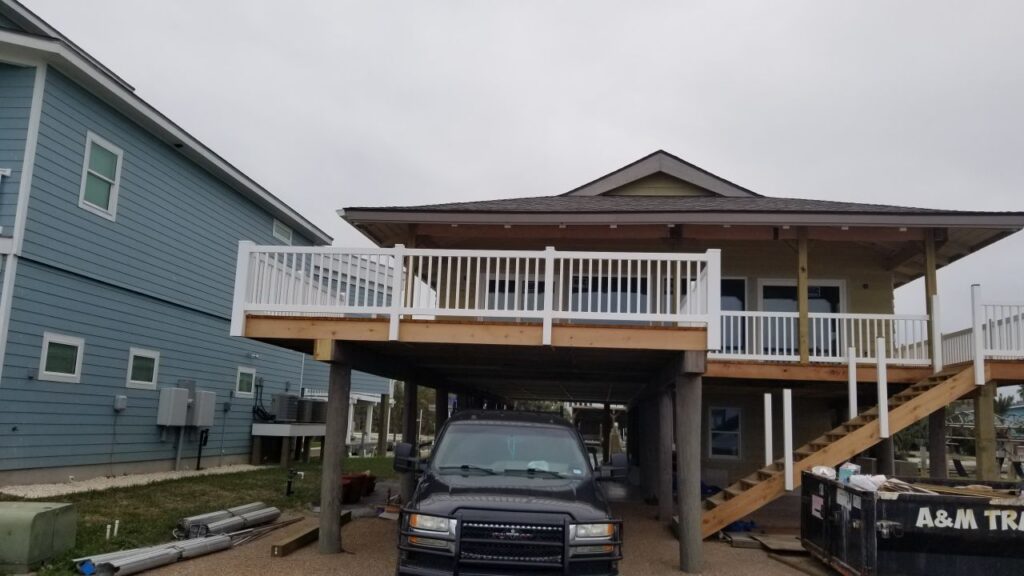
If recent storms left a home with cracked, dented, or missing siding, relief is possible. In the Texas Hill Country, including Kerrville, Boerne, Fredericksburg, Bandera, and Junction, hail, high winds, and flying debris cause both visible and hidden damage to vinyl, wood, fiber cement, and stucco. In most cases a standard homeowners insurance policy will cover storm damaged siding repair Hill Country when the loss is caused by a covered peril such as hail, wind, or a fallen tree. Coverage depends on the cause of damage, the type of policy, the deductible, and whether the insurer classifies the loss as repairable or a total replacement. What insurance companies typically cover Insurers generally cover sudden, accidental damage from storms. That includes siding that was dented or punctured by hail, panels ripped off by strong gusts, and siding that allowed water intrusion during the storm. When storm-driven debris damages the underlying sheathing or framing, related repairs are often included. Emergency actions taken to prevent further damage, commonly called mitigation, are usually covered if receipts are kept and the work is reasonable and necessary. What insurance companies typically do not cover Policies rarely cover damage that results from long-term neglect, improper maintenance, or pre-existing rot and insect damage. Cosmetic issues that do not affect function are often excluded, and insurers will not pay for upgrades that go beyond restoring the home to its pre-storm condition unless additional coverage was purchased. Understanding these distinctions before filing a claim helps manage expectations and speeds the process. How to tell if siding is storm damaged Some damage is obvious: missing panels, large dents, deep cracks, or pieces blown away. Other signs are more subtle but equally serious. Look for interior water stains after heavy rain, peeling paint or blistering near seams, warping or separation at corners and around windows, and new mold or mildew that appeared after the storm. Photograph both exterior and interior problem areas and note the date and time. Clear documentation is essential when filing a claim. First steps after storm damage Safety comes first. If the structure is unsafe or power lines are down, call 911 and stay clear of the area. Next, protect the property with temporary measures like tarps or boards to prevent further damage. These mitigation expenses are typically covered by insurance when properly documented, so keep all receipts. Photograph the damage from several angles, take video if possible, and make written notes of visible issues. Contact the insurance company to start a claim and obtain a claim number, then schedule an inspection with a local contractor experienced in storm damaged siding repair Hill Country homeowners trust. How All Weather Roofing & Remodeling helps with the insurance process All Weather Roofing & Remodeling is a third-generation, family-owned contractor serving Kerrville, Boerne, Fredericksburg, Bandera, Junction, and surrounding Hill Country communities. Specializing in residential and commercial roof repairs, full roof replacements, storm damage restoration, siding repairs, and energy-efficient window installations, the team also manages the insurance claims process from start to finish. Clients receive a free, no-obligation inspection and a written estimate with detailed documentation for the insurer. Professional photos, diagrams, and scope-of-work reports support the claim, while direct communication with the insurance adjuster helps explain the extent of storm damaged siding repair needed. Guidance is provided on coverage types such as replacement cost value versus actual cash value and on how the deductible applies. Temporary repairs are coordinated immediately and final scheduling is handled so work proceeds quickly once the claim is approved. When an adjuster visits, having a contractor familiar with common hail and wind patterns across the Hill Country makes a real difference. Hidden damage to sheathing or flashing that could cause future leaks is often identified and documented, preventing expensive surprises down the road. Useful local and national resources The Texas Department of Insurance offers consumer advice for handling storm and wind damage claims at https://www.tdi.texas.gov/pubs/consumer/cb002.html. FEMA provides steps for documenting and recovering from disaster-related home damage at https://www.fema.gov. Why local expertise matters The Hill Country has unique weather patterns and regional construction practices. Local contractors understand building codes, manufacturer warranties, and the storm damage types most common in Kerrville and neighboring towns. A team with decades of experience, manufacturer certifications, and a family-oriented commitment to honesty and quality will make the claim and repair process smoother and more predictable. Begin by taking photos and videos of all visible siding damage and any interior leaks. Contact the insurance company to start a claim and record the claim number. Schedule a free inspection to document the damage and receive guidance through the claim process by visiting /services/siding-repairs/. Keep all receipts for emergency repairs and mitigation work. If a home in Kerrville, Boerne, Fredericksburg, Bandera, Junction, or anywhere in the Texas Hill Country suffered storm damaged siding, professional help is available. Call All Weather Roofing & Remodeling today for a free inspection and expert assistance with insurance claims and repairs.
Lower Your Summer Bills with Energy Efficient Window Replacement in Kerrville
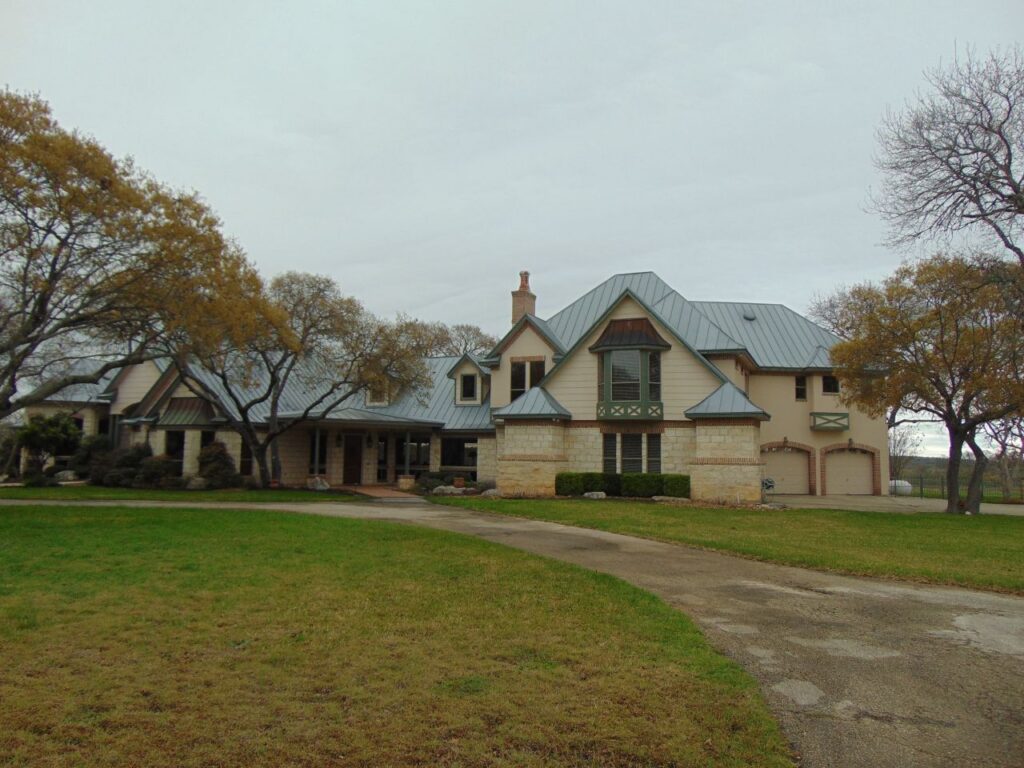
Summer in the Texas Hill Country brings bright days and high temperatures that can make cooling a home expensive. If electric bills spike each summer and some rooms feel much warmer than others, an energy efficient window replacement Kerrville can be one of the smartest home investments. All Weather Roofing & Remodeling helps homeowners across Kerrville, Boerne, Fredericksburg, Bandera, and Junction select custom windows that improve comfort, reduce energy use, and boost resale value. Why windows matter for summer energy bills Windows are a major pathway for unwanted heat gain in summer and heat loss in winter. Old single-pane glass, failing seals, or warped frames allow conditioned air to escape and outdoor heat to enter. That forces the air conditioner to run longer and raises monthly energy costs. An energy efficient window replacement Kerrville addresses three main issues: solar heat gain from direct sun, air leakage through gaps or deteriorated seals, and poor insulating value of single-pane or low-performance glass. Replacing inefficient windows with modern, energy-rated models reduces the workload on the HVAC system, often translating to lower utility bills and a more comfortable home year-round. What to look for in windows for the Texas Hill Country Not all windows perform the same, and the hot summers and cool winters in Kerrville call for specific features. Choose windows with Low-E coatings that block infrared and ultraviolet rays while letting visible light through. Double-pane or triple-pane insulated glass units filled with inert gas, such as argon, provide improved thermal resistance. Warm edge spacers reduce condensation and strengthen insulating value at the glass edges. Frame materials matter as well. High-performance frames like vinyl, fiberglass, or wood-clad systems with quality seals and weatherstripping provide better long-term performance. Look for windows with a low U-factor for superior insulation and an appropriate Solar Heat Gain Coefficient (SHGC) for south- and west-facing openings to limit heat gain during summer afternoons. The U.S. Environmental Protection Agency and ENERGY STAR offer reliable guidance on window performance and ratings. For more information on how window ratings impact energy use, see the ENERGY STAR guide to windows, doors, and skylights: https://www.energystar.gov/products/windows_doors_and_skylights. How much can new windows save you? Savings vary depending on the current windows, home orientation, shading, and HVAC efficiency. Many homeowners in hot climates see noticeable reductions in summer cooling costs after replacing single-pane windows with ENERGY STAR-rated double-pane windows and improving air sealing. Savings tend to be greatest when high-performance windows are combined with other upgrades, such as adding attic insulation, sealing leaks, and installing exterior shading. Beyond energy savings, new windows bring practical benefits. Increased comfort and more consistent indoor temperatures make living spaces more enjoyable. Reduced fading of furniture and flooring from UV light protects interior finishes. Insulated glass units decrease outside noise, and custom window styles enhance curb appeal and resale value. Custom windows for historic and modern homes The Texas Hill Country includes a wide variety of architectural styles, from historic cottages to contemporary hill country homes. Custom window replacement respects architectural character while meeting modern performance needs. Options include double-hung and single-hung windows, casement and awning windows for tight seals, slider windows for wide openings, fixed picture windows for light and views, and bay or bow windows for added living space and curb appeal. Wood-clad and painted frames help match historic aesthetics, while grid patterns, custom colors, and performance glass choices let homeowners tailor appearance and energy performance. What to expect during the replacement process All Weather Roofing & Remodeling manages the entire window replacement process from initial consultation through final inspection. A typical energy-efficient window replacement project in Kerrville begins with an on-site assessment and precise measurements to identify current conditions and any structural or water-intrusion concerns. Product recommendations follow based on orientation, budget, and performance goals, and a detailed written estimate outlines materials, labor, timeline, and warranty information. Professional removal of old windows includes a thorough inspection of surrounding framing. New windows are installed with proper flashing, insulation, and sealing to ensure air- and water-tight performance. A final walkthrough provides homeowner education on operating and maintaining the new windows so the investment performs well for years. Insurance claims and storm-related replacements Storms can damage windows through hail, wind, or flying debris. Assistance with insurance claims simplifies the replacement timeline. All Weather Roofing & Remodeling helps with documentation, damage assessment, contractor estimates, and direct communication with insurers so homeowners can move forward confidently. If summer electric bills are rising and rooms feel uneven in temperature, an energy-efficient window replacement in Kerrville could be the solution. Visit the window installation page to learn about product options and request a free consultation: /services/window-installation/. All Weather Roofing & Remodeling serves Kerrville, Boerne, Fredericksburg, Bandera, Junction, and the surrounding Texas Hill Country with residential and commercial roofing, roof repairs, full roof replacements, storm damage restoration, siding repairs, and custom window installations. Call today or schedule an on-site evaluation to show specific options and projected savings for your home.
Signs You Need a Siding Repair Contractor in Kerrville
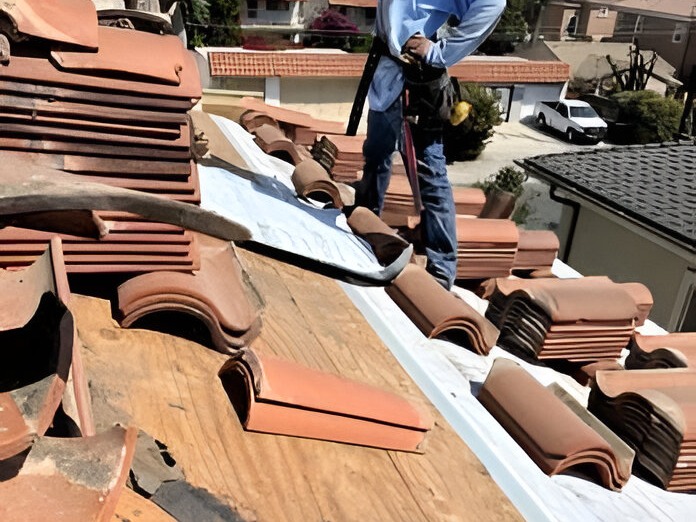
Your home’s siding is more than curb appeal. It is the first line of defense against sun, wind, rain, hail, and pests. In the Texas Hill Country, where weather can swing from blistering sun to sudden storms, siding takes a beating. If you live in Kerrville, Boerne, Fredericksburg, Bandera, Junction, or surrounding areas, spotting siding problems early saves money, prevents structural damage, and keeps your home comfortable. Here are the clear signs it is time to call a siding repair contractor Kerrville TX. Visible cracks, splits, or holes Small cracks can quickly become major problems. Once moisture gets behind siding, it can rot framing, grow mold, and attract insects. Look for horizontal or vertical cracks, splits at seams, or holes that expose the underlayment. These are clear indicators that you need a siding repair contractor in Kerrville TX to assess and fix the damage before it worsens. Warped, buckled, or curling panels Heat and moisture cause some siding materials to warp or buckle. Vinyl siding can curl at the edges. Wood siding can twist and cup. When panels no longer lay flat, gaps open and let water and pests enter. Warped siding also undermines your home’s insulation performance. A professional siding repair contractor can determine whether panels can be repaired or need replacement. Loose or missing pieces If sections of siding are loose, swinging, or missing entirely after strong wind or hail, your home is exposed. Loose siding can allow water to penetrate the wall sheathing during the next rain, leading to rot and structural damage. This is a situation where quick action from a siding repair contractor Kerrville TX is critical. Staining, mold, or mildew Dark streaks, black spots, or fuzzy growth on siding or trim indicate moisture intrusion. Mold and mildew not only look bad, they are a sign of trapped water that can rot framing or damage insulation. If you notice staining that scrubbing does not remove, contact a contractor to find the source and repair it. Peeling or bubbling paint Paint that peels, blisters, or bubbles can mean moisture is trapped under the paint or that the siding is failing. Repainting without addressing the underlying issue is a temporary fix. A skilled siding repair contractor Kerrville TX will diagnose whether the problem is surface-level or requires panel repair or replacement. Water stains on interior walls or ceilings Interior water stains that appear after rain are a red flag. Water may be entering through damaged siding or compromised flashing around windows and doors. If you see stains, peeling interior paint, soft drywall, or a musty smell indoors, these are signs to call a siding repair contractor immediately. Increased energy bills When siding fails, your home’s thermal envelope is compromised. Drafts, cold spots in winter, and heat gain in summer can raise utility bills. If your energy costs jump without other explanations, damaged siding could be allowing conditioned air to escape. A contractor can evaluate your siding and suggest repairs or upgrades such as added insulation or energy-efficient siding and window solutions. Pest damage or evidence of insects Termites, carpenter ants, rodents, and wood-boring beetles are attracted to damp or exposed wood. Peeling siding or gaps can give pests easy access. If you find frass, small holes, tunnels, or signs of pests around the exterior, call for a siding inspection. Repairing or replacing damaged siding prevents infestations from reaching structural components. Storm damage after hail or high winds Kerrville and the surrounding Texas Hill Country experience hail, high winds, and severe thunderstorms. Hail can dent vinyl or fiber cement siding and crack wood; wind can loosen panels and rip off flashing. After a storm, inspect your home carefully and document damage for insurance. The National Weather Service has excellent guidance on storm preparedness and hail at https://www.weather.gov/safety/hail. All Weather Roofing & Remodeling also manages the insurance claims process to make restoration easier for homeowners. What to expect from a professional siding repair contractor When you contact a reputable siding repair contractor Kerrville TX, expect a thorough inspection that includes exterior and interior checks for moisture, flashing, trim, and structural integrity. The contractor should provide a detailed estimate that explains repair options, materials, color matching, and whether partial repairs or full replacement is recommended. Look for local experience in Kerrville, Boerne, Fredericksburg, Bandera, and Junction; manufacturer certifications for siding brands; proof of licensing, insurance, and references; a written warranty for workmanship and materials; transparent pricing and documented scope of work; and assistance with insurance claims and documentation. Why choose a local, family-owned contractor Local knowledge matters. A contractor familiar with Kerrville’s climate and the unique challenges of Texas Hill Country siding will recommend materials that stand up to high heat, hail, wind, and sun. All Weather Roofing & Remodeling is a third-generation family-owned business that specializes in siding repairs, residential and commercial roof repairs, full roof replacements, storm damage restoration, energy-efficient custom window installations, and managing the entire insurance claims process. Services are available to homeowners and businesses in Kerrville, Boerne, Fredericksburg, Bandera, and Junction. Learn more about siding services at /services/siding-repairs If you see any of the signs listed above, especially after a storm or if you notice interior water stains, contact a siding repair contractor Kerrville TX as soon as possible. Waiting often increases repair costs and the risk of hidden structural damage. Contact All Weather Roofing & Remodeling to schedule a free siding inspection and estimate. The team will assess damage, explain repair choices, handle insurance paperwork, and restore protection and curb appeal with care and craftsmanship.
How to Choose the Best Roofing Contractor in Kerrville, TX
Choosing a roofer in the Texas Hill Country affects safety, curb appeal, long-term costs, and how smoothly an insurance claim is handled after a storm. If searching for the best roofing contractor Kerrville TX free estimate, use the following practical criteria to evaluate contractors serving Kerrville, Boerne, Fredericksburg, Bandera, Junction, and surrounding communities. Local presence and regional experience A contractor with a year-round presence in the Hill Country understands local weather patterns, common roofing materials, and building code requirements. Local, family-owned businesses often respond faster after storms and provide consistent follow-up service. All Weather Roofing & Remodeling is a third-generation family-owned company serving Kerrville and nearby towns, and manages insurance claims from start to finish. Proper licensing, insurance, and permits Verify that the contractor carries general liability insurance and workers compensation, and holds any state or local licenses required for roofing and remodeling work. A reputable roofer will obtain required permits and schedule inspections with the city or county. For storm-related work, correct permitting and code compliance prevents delays and reduces liability. Years of experience and local references Request how long the company has been in business and ask for local references. A contractor who can show recent projects in Kerrville and the Hill Country, and provide homeowner contact information or before-and-after photos, demonstrates accountability. Look for consistent, verifiable results and projects similar in size and material to the work needed. Manufacturer certifications and material options Top contractors carry certifications from major manufacturers such as GAF, Owens Corning, and CertainTeed. These certifications can unlock enhanced manufacturer warranties that protect against product defects. Discuss shingle brands, metal roofing options, underlayment choices, ventilation solutions, and energy-efficient materials so the expected lifespan and maintenance requirements are clear. Clear, written estimate and scope of work A high-quality contractor provides a transparent, itemized written estimate and a project timeline. The estimate should list labor, materials, permit fees, disposal costs, and allowances for unforeseen conditions. Look for contractors offering a no-obligation on-site inspection and detailed written proposals that can be compared side by side. Warranty, workmanship guarantee, and warranty transfers Understand both manufacturer warranties for materials and workmanship warranties from the contractor. Manufacturer warranties cover material defects, while workmanship warranties protect against installation errors. Confirm the length and terms of each warranty and whether warranties transfer to a new owner if the property is sold. Storm damage expertise and insurance claims assistance When repairs are needed after hail, wind, or heavy storms, choose a contractor experienced in storm damage restoration and in working with insurance adjusters. A reputable roofer will inspect damage, document storm impacts with photos, prepare a repair plan, and assist with the claim process. All Weather Roofing & Remodeling manages the full insurance claims process for homeowners and businesses across the Hill Country. Safety, cleanup, and site protection Ensure the contractor follows recognized safety standards, uses fall protection, and secures the work site. Ask about protection for landscaping, driveways, gutters, windows, and outdoor living areas. Confirm debris removal procedures, nail sweeping, and a final inspection walk-through to verify the job was completed to satisfaction. Reviews, the Better Business Bureau, and industry associations Look for consistent positive reviews on independent platforms such as Google, Yelp, and Facebook. Check the Better Business Bureau for complaints and letters of recommendation. Membership in trade organizations like the National Roofing Contractors Association indicates a commitment to industry best practices. For information about weather-related roof damage trends, consult the National Weather Service at https://www.weather.gov/. For professional guidance and standards, review the National Roofing Contractors Association at https://www.nrca.net/. How to compare estimates When multiple bids arrive, compare them line by line. Review the brand and class of shingles, underlayment type, flashing details, ventilation plan, disposal fees, warranty terms, and timeline. The lowest bid is not always the best value. Prioritize workmanship, communication, warranty coverage, and local reputation. A trustworthy contractor will explain differences between bids and justify why certain materials or details cost more. Final checklist before hiring Verify license and insurance, and contact references. Obtain a written, itemized estimate with a timeline and confirm both manufacturer and workmanship warranties. Ensure the contractor will secure permits and coordinate inspections. Understand the payment schedule and lien release procedures. Confirm who will be on site during the project and how the site will be protected. Ask about cleanup procedures and request a final inspection walk-through. Review online feedback and verify industry affiliations. Homeowners and business owners in Kerrville and the Texas Hill Country deserve a clear inspection and a transparent, written proposal. Contact All Weather Roofing & Remodeling to schedule a free, on-site inspection and receive a detailed estimate. Visit, call, or reach out online to set up an appointment today. This is the first step toward protecting the investment and restoring peace of mind.
When is it Time for an Asphalt Shingle Roof Replacement in Boerne?
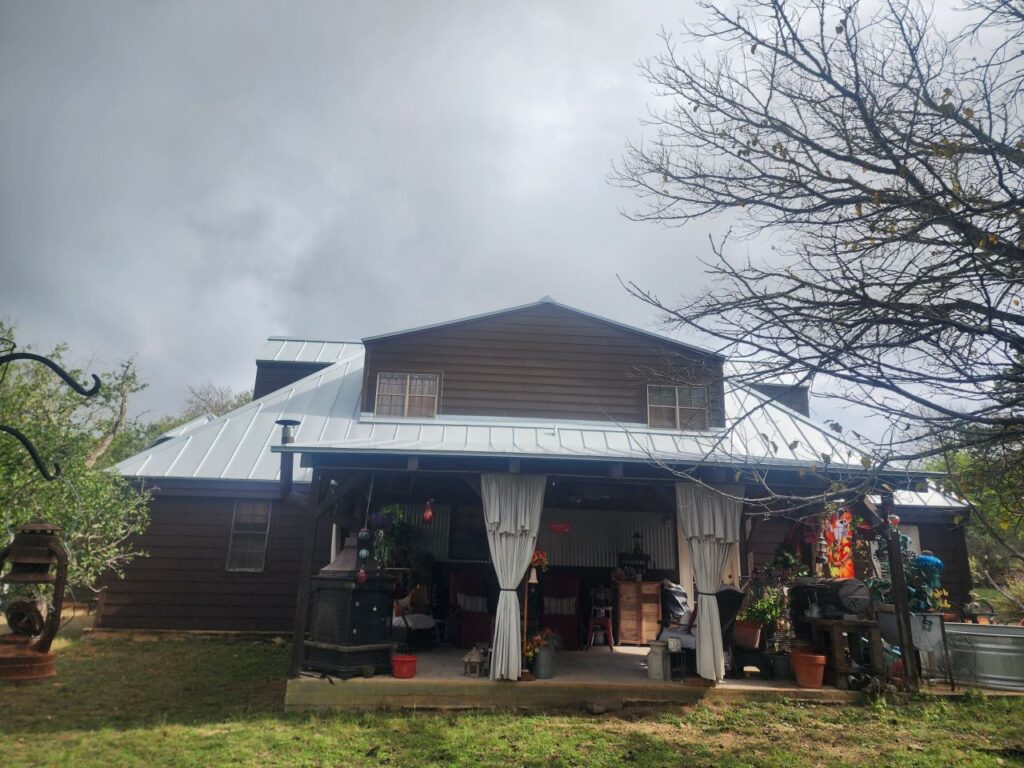
Living in the Texas Hill Country means enjoying beautiful landscapes and dealing with weather that can be tough on roofs. Hot summers, intense sun, wind-driven storms, and occasional hail shorten the lifespan of asphalt shingles. Homeowners often face the choice between repeated patching and a full asphalt shingle roof replacement Boerne TX. The following information explains the most common signs of failure, how to inspect a roof safely, the best material choices for the local climate, and how All Weather Roofing & Remodeling supports homeowners across Boerne, Kerrville, and the Hill Country. Common signs you need an asphalt shingle roof replacement Age matters. Most asphalt shingle roofs last 15 to 25 years depending on shingle quality, installation, and exposure. When a roof approaches 20 years, planning for replacement is often more practical than continuing repairs. Missing or curled shingles indicate advanced wear. Shingles that curl at the edges or are gone entirely no longer protect the roof deck. Granule loss is a clear warning; excessive granules in gutters or smooth, bald patches on shingles weaken the roof’s ability to shed water and protect against sun damage. Leaks and interior stains betray failing underlayment. Water stains on ceilings or visible brown spots in the attic mean moisture is finding its way in and structural damage may be starting. Blistering, splitting, or cracking shows shingles are brittle and have reached the end of their useful life. Worn flashing creates persistent leak points around chimneys, vents, and walls. Repeated repairs become costly, and if a roof needs frequent patching, replacement will usually be more economical over time. Storm damage can be hidden. Hail, high winds, or debris can bruise shingles, cause granule loss, and create problems that worsen over months. How to perform a safe roof check Begin with a ground-level inspection using binoculars. Walk the property perimeter and note missing shingles, uneven rooflines, dark streaks, and areas that look worn. Check gutters and downspouts for granules and shingle debris, which often wash out where deterioration is occurring. Inspect the attic during daylight for light penetration, wet insulation, discolored wood, or water streaks around roof penetrations. Do not climb onto a steep roof unless trained and properly equipped, as a professional inspection will reveal issues that are easy to miss from the ground. Storm damage, insurance, and claims support Storms in central Texas can lead to roof damage that qualifies for insurance coverage. Photograph damage, note dates and any visible issues, and notify the insurance company promptly. The Texas Department of Insurance provides consumer guidance at https://www.tdi.texas.gov/consumer/storms.html. All Weather Roofing & Remodeling assists homeowners with documenting damage, communicating with adjusters, and coordinating repairs or full replacements to meet both safety needs and insurance requirements. Benefits of a full asphalt shingle roof replacement A full replacement restores long-term protection by eliminating recurring leaks and defending the home from further structural damage. Modern shingles and improved attic ventilation can reduce overheating and lower cooling costs during hot Texas summers. New roofing enhances curb appeal and can increase resale value while also bringing stronger manufacturer and workmanship warranties. Replacement time presents an opportunity to upgrade underlayment, improve ventilation, and choose Class 3 or Class 4 impact-rated shingles for better storm resistance in the Hill Country. Choosing the right shingles for Boerne and Kerrville Architectural shingles provide greater durability and a more dimensional look than 3-tab products and are popular for replacements. When hail is a concern, impact-resistant shingles help reduce granular loss and breakage. Reflective or lighter-colored shingles assist in reflecting solar heat and improving comfort and energy performance in summer. The most durable roofing systems include correct ventilation and high-quality underlayment; even premium shingles will not perform well if those components are neglected. What to expect during a professional replacement A reputable contractor will conduct a full inspection and provide a written estimate outlining materials, timeline, and warranty details. Most professionals recommend a full tear-off so the new roof sits on a clean deck. Proper attention to flashing, drip edge, ventilation, and ridge caps is essential for long-term performance. After installation, expect thorough clean-up, a final inspection, and a walkthrough to confirm satisfaction. A proactive approach to an aging or storm-damaged roof prevents more expensive problems later and maintains comfort and value for Hill Country homes. Contact All Weather Roofing & Remodeling today to schedule a comprehensive roof inspection and get a clear plan tailored to the needs of Boerne and Kerrville homeowners. Call now or visit Boerne to arrange service.
The Benefits of Metal Roof Installation for Texas Hill Country Homes
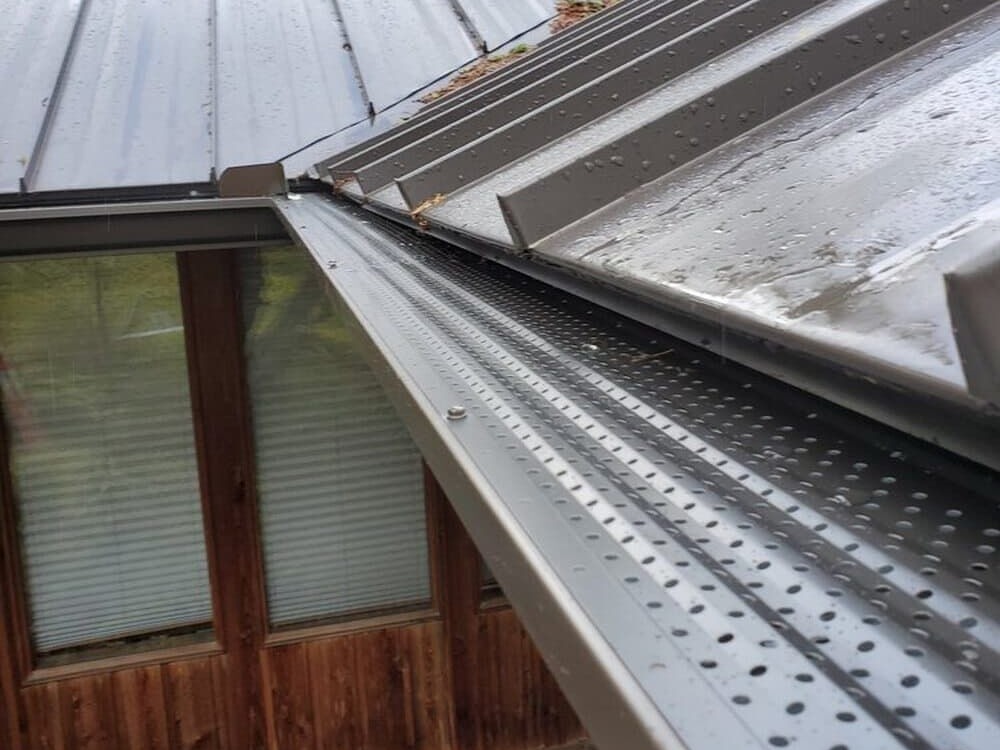
Homeowners in Kerrville, Boerne, Fredericksburg, Bandera, and Junction know that the Texas Hill Country tests roofs with long, hot summers, sudden severe storms, hail, and high winds. For many local properties, metal roof installation Kerrville Texas is emerging as a smart, long-lasting choice that blends performance with regional style. Metal roofing systems deliver durability, energy savings, and storm resistance that match the demands of Hill Country living while complementing local architecture. Why metal roofing makes sense in the Hill Country Modern metal roofing has evolved beyond the corrugated sheets of the past. Today’s systems combine attractive finishes with engineered performance. Homeowners benefit from a significantly longer service life compared with traditional asphalt shingles. Typical metal systems last 40 to 70 years or more when installed and maintained correctly. Materials such as steel and aluminum resist rot, insect damage, and UV deterioration, and factory-applied coatings protect against corrosion and color fade. Weather resilience is a major advantage for Hill Country properties. Metal panels interlock and fasten securely, reducing the risk of pieces blowing away in severe gusts. Many metal roofs are engineered with high wind uplift ratings and improved impact resistance, helping to limit storm damage from hail and driving rain. The Insurance Institute for Business and Home Safety provides useful research on roof performance during hail and wind events at https://disastersafety.org/. Energy performance is another notable benefit. Reflective metal roofing lowers heat absorption and reduces attic temperatures during scorching Texas summers. This can translate to lower cooling costs and less stress on HVAC systems. For more information on cool roofing benefits, see https://www.energy.gov/. In areas where wildfire risk increases during dry seasons, the noncombustible nature of most metal materials and Class A fire ratings provide added safety. Metal roofs also require comparatively low maintenance. Routine inspections and occasional touch-ups keep metal systems performing well for decades. At the end of their service life, many metal roofing materials are fully recyclable, reducing environmental impact while offering long-term value. Types of metal roofing that suit Hill Country homes There are a variety of metal roof profiles that work well with Hill Country architecture and rural properties. Standing seam metal offers clean lines and concealed fasteners, making it a popular choice for both modern and traditional homes. Metal shingles mimic the look of wood shakes, slate, or tile while delivering the durability of metal. Corrugated panels remain a practical, economical option for barns and rural structures, and coated steel options like Galvalume provide strong corrosion resistance at an accessible price point. Aluminum is lightweight and highly corrosion resistant, a good choice for homeowners in areas with specific exposure concerns. Design flexibility means a metal roof can preserve the character of limestone cottages, farmhouse-style properties, and modern builds throughout the Texas Hill Country. Color and profile choices help match local aesthetics while improving curb appeal and function. Cost considerations and long-term value Upfront costs for metal roof installation are typically higher than those for asphalt shingles, but the lifecycle cost often favors metal because of its longevity, lower maintenance needs, and energy savings. Potential insurance discounts may apply since many insurers recognize reduced risk from hail, wind, and fire. When evaluating options, consider total cost of ownership including expected lifespan, energy savings, maintenance, and insurance benefits. For homeowners facing a full replacement, professional installation that preserves manufacturer warranties and meets local code is essential. Learn more about professional replacements at /services/roof-replacement/. How All Weather Roofing & Remodeling helps local homeowners All Weather Roofing & Remodeling brings third-generation, family-owned experience to Kerrville and surrounding Hill Country communities. Local knowledge of weather patterns and regional building practices informs material recommendations and installation techniques. Full-service project management covers everything from material selection and permitting to professional installation and jobsite cleanup. When storms trigger insurance claims, the team handles the process on behalf of homeowners to reduce stress and keep projects moving. Choosing the right metal roofing contractor When selecting a contractor for metal roof installation Kerrville Texas, look for local references and a portfolio of recent Hill Country installations. Manufacturer certifications and formal training help preserve warranty coverage. Clear, written estimates should detail materials, warranties, ventilation recommendations, and disposal of the old roof. Confirm proper licensing, insurance, and a demonstrated commitment to safety. Contractors with insurance claim experience and local code knowledge make complex projects far smoother for homeowners. Simple maintenance tips to keep a metal roof performing Annual inspections are recommended to check fasteners, flashings, and sealants. Keep gutters and downspouts clear to avoid water backup and staining. Trim overhanging branches to prevent abrasion and debris accumulation. Address punctures or loose fasteners promptly to prevent moisture intrusion and preserve the roof’s long-term performance. Ready to protect and enhance a Texas Hill Country home with a durable, energy-efficient metal roof? Contact All Weather Roofing & Remodeling today to schedule an on-site assessment or request an estimate online.
Understanding Roof Replacement Costs in Kerrville for 2026
Replacing a roof is one of the largest home investments a homeowner can make. If researching roof replacement cost Kerrville TX for 2026, practical, local information helps with budgeting and material selection, and ensures the right contractor is chosen. As a third-generation, family-owned company serving Kerrville and the Texas Hill Country, All Weather Roofing & Remodeling understands the factors that influence price, how local weather impacts choices, and how to manage insurance claims from start to finish. Why local context matters for cost Kerrville’s climate mixes long sun, occasional severe storms, wind, and hail. These conditions increase demand for impact-resistant materials and can affect labor scheduling and material availability. Local building codes and permitting requirements can change over time, occasionally requiring upgraded underlayment, improved ventilation, or different fastening patterns. During busy storm seasons, contractor availability tightens, which can lengthen lead times and put upward pressure on pricing. Choosing a contractor who knows neighborhood permit offices and local inspectors reduces surprises and keeps projects moving. Key cost drivers Several core components determine the final roof replacement cost Kerrville TX. Knowing each item makes comparing bids more straightforward and helps avoid hidden charges. Materials are the most visible cost. Basic asphalt 3-tab shingles are the most economical option with a lower upfront cost and shorter warranty. Architectural or laminate shingles provide better durability and curb appeal and are common on Hill Country homes. Metal roofing options such as aluminum, steel, or stone-coated steel offer long life and strong wind performance. Premium choices like tile and slate come with higher material costs and may require additional structural reinforcement. Underlayment matters too, since synthetic underlayments cost more but perform better in heat and moisture. Labor reflects local wages, crew experience, and the care taken to meet manufacturer requirements that protect warranties. Roof size and complexity increase time and materials; hips, valleys, skylights, chimneys, and other penetrations add flashing and labor. Roof pitch and access affect safety measures and installation speed, which can raise costs on steeper or hard-to-access roofs. Tear-off and disposal add labor and landfill fees, and multiple old layers may require extra work or a structural inspection. If rotten decking or fascia is uncovered, replacement becomes necessary before installing a new roof. Proper attic ventilation and insulation improve roof life and energy efficiency but increase initial cost. Flashing, gutters, and trim are critical to prevent leaks and are often listed separately in estimates. Finally, city or county permit fees and inspections are part of the total project cost. Typical 2026 price ranges for Kerrville Local pricing depends on material choice, roof complexity, and market conditions. The ranges below offer a practical guide for 2026 costs, shown both per square foot and per roofing square, which equals 100 square feet. Material Per Sq Ft Per Roofing Square (100 sq ft) Asphalt 3-tab shingles $3.00 to $5.50 $300 to $550 Architectural shingles $4.50 to $8.50 $450 to $850 Metal roofing (standing seam) $8.00 to $14.00 $800 to $1,400 Tile or slate $10.00 to $20.00 $1,000 to $2,000 For ballpark planning, a 1,500 square foot roof might cost roughly $6,750 to $22,500 depending on materials and roof layout. A 2,000 square foot roof could range from about $9,000 to $30,000. Final quotes may be higher or lower because of roof pitch, penetrations, local permit fees, and any required structural repairs found during tear-off. How weather and insurance influence cost Kerrville homeowners frequently file claims for wind, hail, and storm damage. When a roof replacement follows storm damage, homeowners insurance may cover part or all of the cost depending on policy details. All Weather Roofing & Remodeling assists with insurance claims and works with adjusters to document a complete scope of repair. For general guidance on storm preparedness and insurance, the Texas Department of Insurance provides helpful resources at https://www.tdi.texas.gov/consumer/storms/index.html. To review local climate patterns and how weather affects roofing choices, see the National Weather Service at https://www.weather.gov/. How to get an accurate estimate A reliable estimate is itemized and transparent. Request a written quote that lists materials, labor, tear-off and disposal, permits, and any potential repairs. Confirm warranty terms for both materials and workmanship, and verify contractor insurance, licensing, and local references. A written timeline and payment schedule provide clarity on project stages and expectations. Comparing at least three bids is wise, but focus on scope and detail, not just the lowest price. Questions to ask your contractor Before committing to a contract, ask whether the company is licensed and insured to work in Kerrville and the Texas Hill Country, and request a clear explanation of each line item in the estimate. Ask which specific products and warranties will be used, and how plywood or decking repairs will be handled if rot is found after tear-off. Clarify who will manage the insurance claim in the event of storm damage, and confirm whether a written workmanship warranty is provided and what it covers. Also ask what measures will be taken to protect landscaping and property during the job. Why choose a local, family-owned contractor A local, family-owned contractor brings neighborhood knowledge, familiarity with local building codes, and an established relationship with seasonal patterns that affect roofing work. All Weather Roofing & Remodeling provides transparent estimates, handles insurance claims, and serves Kerrville, Boerne, Fredericksburg, Bandera, and Junction. Details on materials, warranties, and the full process are available at /services/roof-replacement/. Avoid selecting a contractor based solely on the lowest bid, because skipped steps can cost more over time through leaks and premature repairs. Consider long-term value when choosing materials and ventilation systems, since energy-efficient options reduce cooling costs and extend roof life. For a reliable, locally focused estimate of roof replacement cost Kerrville TX in 2026, contact All Weather Roofing & Remodeling for a free inspection and personalized quote.
Emergency Roof Leak Repair: What to Do While Waiting for Help
When water is coming through the ceiling, every minute matters. Those searching for roof leak repair near me Kerrville TX will find clear, safe steps here to limit interior damage while waiting for professional help. All Weather Roofing & Remodeling is a third-generation family-owned contractor serving Kerrville and the Texas Hill Country, including Boerne, Fredericksburg, Bandera, and Junction. The focus is on prompt, practical guidance homeowners can use right now. Stay safe first Personal safety must come before property protection. Do not climb onto a wet roof during active rain, high winds, or at night. Slippery surfaces and hidden damage increase the risk of falls. If water is leaking near lights, ceiling fans, or other electrical fixtures, turn off the breakers for that area at the main panel to reduce the risk of shock. When unsure about electrical safety, contact the power company or a licensed electrician. Keep children and pets away from the leak area until conditions are secure. Quick assessment without making things worse Locate the leak inside first. Move furniture, electronics, and important documents out of the drip path. Place buckets, trash cans, or other watertight containers under the leaks to catch water. For multiple drips, use large shallow bins or combine several containers. Keep extra towels or rags on hand to contain splashes. If the ceiling is bulging with pooled water, it may collapse suddenly. Place containers under the bulge and call for professional help. Do not stand under a sagging ceiling. Temporary fixes that can be done from inside Protect floors and furnishings by laying down waterproof tarps or plastic sheeting. Cover high-value items with sheets or moving blankets. For a heavy pocket of water in the ceiling, creating a controlled drain can prevent a sudden collapse. Carefully poke a small hole with a screwdriver so water drains into a bucket placed below. Wear eye protection and gloves when doing this and make the hole small to control the flow. Once the immediate leak is controlled, begin drying with fans and dehumidifiers to minimize mold growth. Open windows when the weather allows good air circulation. Attic safety and what to look for If safe access to the attic exists, inspect for obvious entry points from below. Look for wet insulation, water stains, or daylight showing through roof sheathing. Use a flashlight rather than a ladder when conditions around the roof are hazardous. Move wet insulation into plastic bags to remove moisture and reduce mold risk, and avoid stepping between rafters where a fall through the ceiling could occur. Take clear photos of any damage found; well-documented images are invaluable for repair planning and insurance claims. Temporary roof protection from the ground When weather has eased and a ladder can be used safely, a temporary tarp can reduce additional water entry. If the leak is active during severe weather, wait until conditions improve and call professionals rather than risking injury. A good tarp setup requires heavy-duty plastic sheeting or a contractor-grade tarp, roofing nails or screws, and 2-inch by 4-inch wood battens to help secure the material. Position the tarp so it covers from the ridge down past the leak location toward the eave so water sheds off the tarp instead of underneath it. Secure the top edge under the ridge cap when possible and hold it with a board and fasteners. Do not rely on duct tape alone. Replace the tarp as soon as permanent repairs can be scheduled. Why calling a local professional matters Temporary measures are only stopgaps. A licensed roofer will locate the true source of the leak, inspect for hidden structural damage to decking, rafters, underlayment, and flashing, and recommend a permanent repair or replacement. All Weather Roofing & Remodeling responds to emergencies across Kerrville, Boerne, Fredericksburg, Bandera, and Junction. A local team can apply proper tarping, perform temporary repairs, and schedule full roof leak repair or replacement as required. Working with a local, family-owned business delivers faster response times and a crew that understands Kerrville building codes and the specific challenges of the Texas Hill Country climate. Insurance and documentation to protect your claim Notify the insurance company as soon as possible to report the claim. Photograph interior and exterior damage before and after temporary measures, and keep records of all emergency purchases such as tarps, buckets, fans, and drying equipment. Save receipts for possible reimbursement. When storm damage is widespread, adjuster delays are common; a contractor can help provide the documentation and estimates needed to speed the process. Local weather and storm information When storms are responsible for a leak, monitor local forecasts and safety alerts. The National Weather Service provides current watches and warnings that may affect repair timing and safety at https://www.weather.gov. Knowing whether additional severe weather is expected helps homeowners and contractors plan safe repairs and avoid unnecessary risk. Practical next steps right now First, secure people and pets and turn off nearby electrical circuits if the leak is near fixtures. Place containers under drips and protect floors and furniture with plastic sheeting. If safe to do so, perform limited inside measures such as controlled drainage of bulging ceilings, a cautious attic inspection from a secure footing, and begin drying the area with fans and dehumidifiers. Document everything with photos and receipts. Then call for professional help by searching for roof leak repair near me Kerrville TX or contact All Weather Roofing & Remodeling for emergency response and reliable repairs. Learn more about roof repair services at /services/roof-repairs/. Helpful resources include the National Weather Service for storm watches at https://www.weather.gov and guidance on temporary roof tarping from This Old House at https://www.thisoldhouse.com/roofing. When water is already inside the home, quick action can reduce long-term damage. Reach out to a trusted local roofer to secure the property, manage repairs, and handle the insurance process so the home can be made whole again. Call All Weather Roofing & Remodeling now for fast, local emergency response and professional roof leak repair near me Kerrville TX.
Why You Need a Professional Storm Damage Roof Inspection in Kerrville
Protect your home with a professional storm damage roof inspection Storms in the Texas Hill Country can be sudden and severe. Hail, high winds, and heavy rain can leave hidden damage that gets worse over time. A professional storm damage roof inspection Kerrville Texas can uncover problems not visible from the ground, help protect property value, and often save money by catching issues before they become major repairs. All Weather Roofing & Remodeling is a third-generation, family-owned company offering free, no-obligation assessments and full insurance-claims support for homeowners and businesses across Kerrville, Boerne, Fredericksburg, Bandera, and Junction. Why an inspection matters after severe weather Visible damage is only part of the story. Hail can bruise shingles and strip away protective granules, while wind can lift shingles and break sealants, creating pathways for water to enter. Small punctures, loose flashing, or a slightly shifted ridge can quickly turn into persistent leaks during the next rainfall. A professional storm damage roof inspection Kerrville Texas evaluates the roof’s structural condition, identifies hidden damage, and documents findings in a format insurers expect. Skipping an inspection increases the risk of progressive water damage to decking and rafters, which can lead to mold, rot, and costly structural repairs. Manufacturer warranties may be voided if storm damage is not reported and addressed promptly. Insurance claims can be delayed or denied when documentation is incomplete or late, and damaged ventilation or insulation often results in higher energy bills. Common signs of storm damage to watch for Some signs are obvious, but trained inspectors notice subtle indicators before they develop into larger problems. Homeowners should watch for missing or cracked shingles, dents or bruises on shingles or metal components such as gutters and flashing, and granule buildup in gutters or on the ground below the eaves. Loose or missing flashing around chimneys, vents, skylights, and valleys often leads to leaks. Interior clues include water stains on ceilings or attic walls, sagging roof decking or unusual rooflines, debris or punctures from fallen branches, and musty odors or visible mold in attics and living spaces. When any of these signs appear, scheduling a professional evaluation is recommended. What a professional inspection includes A thorough storm damage roof inspection Kerrville Texas goes beyond a quick look from the street. A full inspection will review the exterior roof surface, including shingles, flashing, valleys, vents, gutters, soffits, and fascia. The attic should be examined for signs of water intrusion, wet insulation, and ventilation issues. Professional inspectors provide photographic documentation with time-stamped images suitable for insurance claims and evaluate the underlying roof deck and structural components when it is safe and necessary. A clear written report and cost estimate outline recommended repairs or replacement options, and guidance is offered for filing an insurance claim. All Weather Roofing & Remodeling walks homeowners through each step, explains findings in plain language, and provides a repair plan tailored to the home’s needs. Services extend beyond roofing to include siding repairs and energy-efficient custom window installations, with full-service claims management when storms cause damage. Why hire a local professional DIY inspections can miss critical issues and create safety hazards. A local professional brings experience, the right equipment, and deep knowledge of regional weather patterns and building materials common in the Hill Country. Local experts can more accurately diagnose hail damage versus normal wear and tear and produce documentation that insurance adjusters recognize and respect. Familiarity with Kerrville and surrounding communities ensures compliance with local building codes and contractor practices, while access to trusted repair crews and suppliers supports timely, quality workmanship. How All Weather Roofing & Remodeling helps with insurance claims Storm damage often creates stress and uncertainty. All Weather Roofing & Remodeling helps manage the entire insurance claims process so homeowners can focus on recovery. Services include a free, no-obligation inspection and documented report, a detailed estimate and scope of repairs designed to meet insurer expectations, and assistance communicating with insurance adjusters, including attending on-site meetings when needed. Coordination of temporary protection measures, such as tarps and securement, helps prevent further exposure after a storm. Every inspection and claim is documented in a professionally formatted report that insurers recognize. If questions arise about homeowner policies or potential out-of-pocket costs, clear explanations and honest options are provided so decisions can be made with confidence. When to schedule an inspection Schedule an inspection as soon as possible after any severe storm. Acting quickly reduces the chance of secondary damage and often improves the likelihood of a successful insurance outcome. If there is immediate danger from a sagging roof, active leaks, or structural instability, request an emergency assessment right away. For non-emergency situations, inspections are especially important after hailstorms, high-wind events, fallen tree limbs or roof debris, or when new stains or wet spots appear in attics or ceilings. Trusted resources For regional severe weather alerts and historic storm patterns, consult the National Weather Service at https://www.weather.gov/. For guidance on Texas insurance matters after storms, the Texas Department of Insurance provides consumer information at https://www.tdi.texas.gov/. Protect the investment in a home and preserve peace of mind with a prompt, professional inspection from a local, trusted contractor. All Weather Roofing & Remodeling offers free, no-obligation storm damage roof inspection Kerrville Texas evaluations and full-service restoration, including roof repairs, full roof replacements, storm damage restoration, siding repairs, and energy-efficient custom window installations. Schedule a free inspection today by contacting us at /contact/.